Dentadome - The Super Power of Online Marketing

Dentadome - The Super Power of Online Marketing
Dentadome

Friday, September 5, 2014

What is Tooth Uncovery?


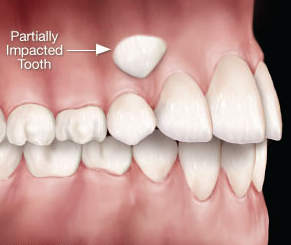
Tooth impaction is a condition traditionally associated with wisdom teeth, but did you know that it actually could occur with any tooth in your mouth? When the canine teeth fail to erupt properly, this periodontal procedure can gently bring the tooth down so that it can be included in the braces treatment. This surgery is recommended if the tooth in question has not erupted by the time the patient is 13 to 14 years old.

There are many reasons a permanent tooth can become impacted and fail to erupt. Extra thick gum and bone, crowded teeth, crossbites, improper tooth eruption sequence and genetics are just some of the causes. When the patient is in need of braces, it is necessary that the hidden tooth be brought down for inclusion in the orthodontic treatment.

The periodontist will conduct a thorough examination, including x-rays, to discover the exact location of the tooth that didn’t erupt, as well as the cause of the impaction. If the tooth has moved into the lip or side of the jawbone, first the keratinized gum tissue will be cut away to gain access. To prevent bone loss and gum recession, additional periodontal procedures may be performed at this time. For impactions occurring in the palate, the extra bone will be cut away to expose the hidden tooth. In both procedures, a bracket will be bonded to the newly revealed tooth and it will be attached to the braces with a power chain.  The chain will slowly pull the tooth into its proper position so that it can be included in the braces.


Tooth uncovery or surgical tooth exposure has enjoyed a high success rate for patients experiencing tooth impactions. For the first few days following the procedure, you can expect to feel minor discomfort and swelling that can be treated with over-the-counter pain medication.  In about two weeks following the surgery, a rubber band will be installed at a follow-up appointment to activate the eruption process. 

Wednesday, August 13, 2014

Gummy Smile—Are your gums hiding your teeth?


Although not considered a medical condition requiring treatment, gummy smile is a cosmetic issue with psychological implications for the patient.  This condition occurs when an individual has an excess amount of gum tissue, causing their teeth to appear unusually short because they are eclipsed by large, red gums.  Because the smile does not appear “normal,” the patient may become extremely self-conscious and even embarrassed by their appearance.

Your best options for treatment of gummy smile can be found at a visit to a periodontist. This gum expert has the ability to evaluate the severity of your condition and determine the optimum course of treatment to correct it.

Crown Lengthening:  In a crown-lengthening procedure, the periodontist will perform plastic surgery to reshape excess gum and bone tissue. The gums are peeled back and a small amount of bone surrounding the teeth is removed. The bone is shaped to follow its natural outline and then stitches are used to put the gums back in place. It takes about four to six weeks for the gums to heal from this step. Once the gums are healed, the patient will return to the office to have the lengthening crowns fitted and will be ready to show off their beautiful new smile.

Laser Sculpting:  Laser sculpting offers a less invasive, one-day treatment for gummy smile. As the name implies, a laser is used to gently cut away and cauterize the excess gum tissue, revealing more of the surface of the teeth. Unlike crown lengthening, this relatively painless procedure requires little to no recovery time.

If your gummy smile is actually a result of having very thin lips rather than excess gum tissue, your periodontist has treatment options available for that too. You may achieve the smile you are seeking through the use of Botox injections to add plumpness to the upper lip, or you may be a candidate for lip lift reduction surgery—a procedure that attaches the inside of the upper lip to a point on the gums that is closer to their upper teeth.


Your great smile is waiting to come out, schedule an appointment with your periodontist today!

Thursday, July 31, 2014

Periodontal Procedures


A periodontist is a specialized dentist that treats issues with the soft tissue in the mouth as well as the jaw bone that supports the teeth. Gum disease and bacterial infections are usually at the top of the list when it comes to ailments that a periodontist fixes. However, they are also proficient in other procedures such as dental implants, lip repositioning, repairing damage from a tongue piercing gone wrong, and frenectomies. Here is a breakdown of each of these procedures.

Simply put, dental implants are replacement tooth roots. They match your regular teeth and act as a foundation for permanent or removable teeth. Implants give patients an overall better appearance and are highly durable. As opposed to dentures, it is easier to eat and speak with implants. Not everyone is a candidate for implants; call our office today to make an appointment for a consultation if you are not sure.

Lip Repositioning
Some patients that come into our office have what is called a gummy smile. This means that the patient has short teeth or that the gums have grown over the teeth and when they smile they show a lot of their gums. Lip repositioning is a simple procedure where a small piece of tissue is taken out from the upper lip in order to give it a lower position. The procedure takes under an hour to perform and once the healing process is over, the results of the lip repositioning are immediate.

Tongue piercing damage can come in many forms. Teeth can be chipped and gums can be punctured with the barbell jewelry worn in tongues. Studies have also shown that gums tend to recede in those who have their tongue pierced. In extreme cases, the tongue can become infected and need reconstructive surgery.

Frenectomy
A Frenectomy is when the periodontist removes the frenum. There are two frena, the lingual and the maxillary labial. The lingual frenum connects the tongue to the floor of the mouth and is most commonly found in young kids. Although in most cases there is no eating or speaking problems, patients will opt for the procedure to remove it for cosmetic purposes. The maxillary labial is attached from the upper lip to the gums right in front of the teeth. A large maxillary labial can cause a gap in between the front teeth which is why patients come in and get it removed.


Those looking for periodontal services can call us right away to get an appointment scheduled.